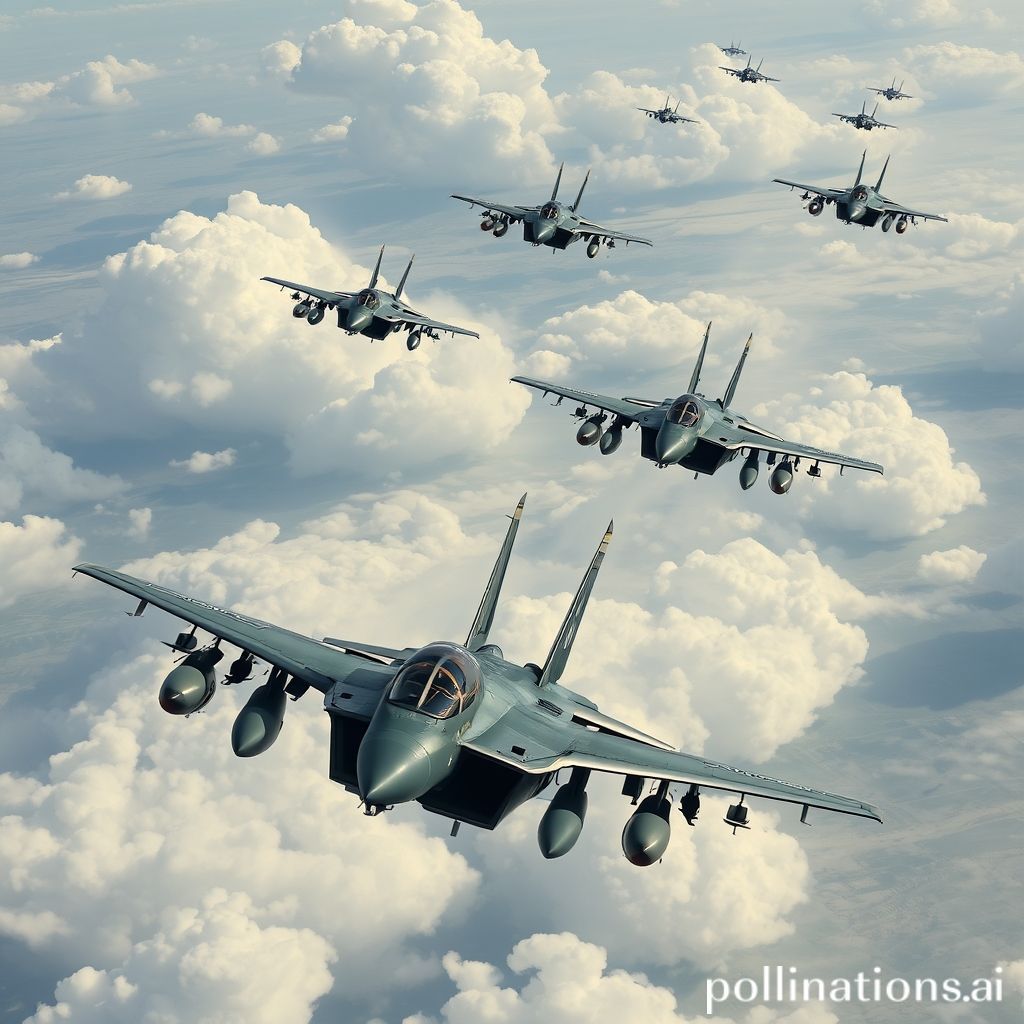
NATO scrambles fighter jets after Russia's largest air assault on Ukraine
NATO Responds: Fighter Jets Scrambled After Russia's Unprecedented Air Assault on Ukraine
Hey everyone,
The situation in Ukraine remains incredibly tense. Recent events have taken a particularly alarming turn, prompting a swift and decisive response from NATO. In what has been described as Russia's largest air assault on Ukraine since the war began, cities across the country faced a barrage of missiles and drones. This escalation has triggered the scrambling of NATO fighter jets in neighboring countries, raising concerns about the potential for a wider conflict. Let's delve into the details of this critical moment.
The Scale of the Attack: A Deluge of Missiles and Drones
The recent Russian air assault was truly massive. Ukrainian officials reported hundreds of missiles and drones were launched targeting critical infrastructure, residential areas, and industrial facilities. The sheer volume of the attack overwhelmed Ukrainian air defenses in some regions, resulting in significant damage and, tragically, civilian casualties. This wasn't a targeted strike, but a widespread attempt to cripple Ukraine's ability to function.
NATO's Response: Vigilance in the Air
In response to this unprecedented aggression, NATO took immediate action. Fighter jets from several member nations, including Poland, Romania, and others along the eastern flank, were scrambled. While these jets did not directly engage Russian forces within Ukrainian airspace as that would constitute a direct act of war against Russia their deployment served several crucial purposes.
Enhanced Monitoring: NATO aircraft increased surveillance of the region, providing real-time intelligence on Russian air activity. This allows for better tracking of incoming threats and improved coordination with Ukrainian air defenses.
Deterrence: The presence of NATO fighter jets sends a clear message to Russia that any spillover of the conflict into NATO airspace will be met with a swift and decisive response. This is a critical element of deterrence, aiming to prevent further escalation.
Reassurance: The deployment provides reassurance to NATO member states bordering Ukraine, demonstrating the alliance's commitment to their security. This is particularly important for nations that feel directly threatened by Russian aggression.
Why This Matters: A Critical Turning Point?
This recent escalation is significant for several reasons. First, the scale of the attack demonstrates Russia's willingness to escalate the conflict despite international condemnation. Second, it highlights the vulnerability of Ukraine's air defenses and the urgent need for additional support from its allies. Third, it increases the risk of miscalculation and accidental escalation, potentially drawing NATO into a more direct confrontation with Russia.
Comparing Air Defense Systems
Let's take a look at a simplified comparison of air defense systems to understand the situation better:
| Feature | Ukrainian Air Defenses | Russian Air Defenses |
| | | |
| Strengths | Proven effectiveness against drones and some missiles; increasingly bolstered by Western systems like Patriot and NASAMS. | High density, long range capabilities, sophisticated radar systems; capable of engaging a wide range of targets. |
| Weaknesses | Limited coverage area, stretched thin across the country; vulnerable to saturation attacks. | Can be vulnerable to electronic warfare and precision strikes; logistics and maintenance challenges. |
| Key Systems | S-300, Buk, Patriot, NASAMS, IRIS-T | S-400, S-300, Pantsir |
Looking Ahead: A Precarious Situation
The situation remains highly fluid and unpredictable. The international community must continue to provide Ukraine with the necessary resources to defend itself, including advanced air defense systems and ammunition. Diplomatic efforts to de-escalate the conflict must also be intensified. However, the risk of further escalation remains very real, and NATO must remain vigilant and prepared to respond to any potential threat.
My Thoughts: A Reflection on Uncertainty
Watching these events unfold from afar, I can't help but feel a deep sense of unease. The human cost of this conflict is staggering, and the potential for it to spiral out of control is a constant worry. The scrambling of NATO jets serves as a stark reminder of the delicate balance of power in Europe and the ever-present threat of wider conflict.
I believe that dialogue and diplomacy are the only paths to a lasting peace. We need to find a way to de-escalate the situation and prevent further loss of life. This requires a concerted effort from all parties involved, and a willingness to compromise. The alternative is too grim to contemplate. We must all hope for a swift and peaceful resolution to this crisis.
Comments
Post a Comment